BookNoFees
Self catering accommodation and holiday homes in the Philippines.
BookNoFees is expanding in the Philippines. Be among the first stays travellers discover here.
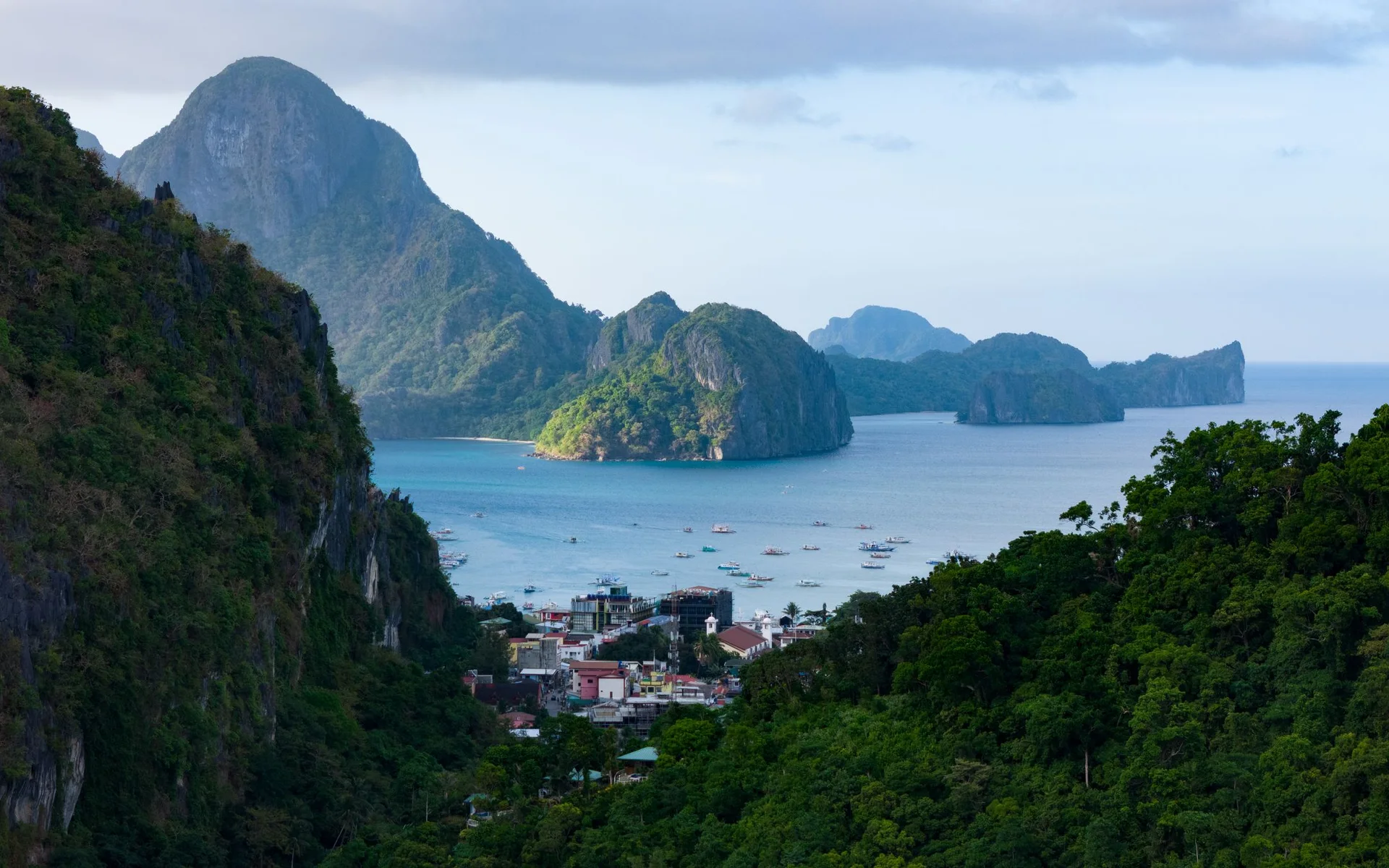
XT7 Core / Pexels
The difference
A host wants ZAR 18,739. Here’s what it costs.
The host keeps their full price. The displayed total includes a 3.9% cost contribution for Stripe payment fees and refunds. BookNoFees earns nothing from it.
Take a simple example: an owner who wants to earn R 18 739 for a week.
| What each platform takes | Airbnb | Booking.com | BookNoFees |
|---|---|---|---|
| Platform commission | 15,5% | 15%–25% | 0% |
| Payment processing & protection | included | contract-specific | 3,9% |
| Owner keepson a R 18 739 listing | R 15 835 | R 14 055–R 15 929 | R 18 739 |
| Guest paysfor R 18 739 to reach the owner | R 22 169 | R 22 038–R 24 980 | R 19 470 |
Over 18 weeks let, that is more than R 46 849 a year in this example — money that stays with the guest or reaches the owner.
Rates checked in September 2026. Under its single-fee structure, Airbnb charges most hosts 15,5%; Airbnb says other hosts typically pay between 14% and 16%. Exceptions depend on country and account type. Booking.com sets the commission rate in each accommodation agreement, and visibility programmes may increase it. This worked example uses a possible range of 15% to 25%. If Booking.com facilitates payment, the applicable payment terms and transaction cost are contract-specific. Our 3,9% cost contribution is included in the displayed total and contributes towards Stripe payment fees and refunds. BookNoFees earns nothing from it. Nothing is added at checkout and nothing is deducted from the owner. Fee models can change, so please check each platform’s current terms. Sources: Airbnb Help Center and Booking.com General Delivery Terms.
Be the first
Be the first host in the Philippines
List your property for free and be among the first stays travellers discover in the Philippines.
- Less competition while the destination is new
- Early visibility as the marketplace grows here
- Free to list — 0% commission, you keep 100% of your price
- Keep using Airbnb or Booking and sync your calendar
With fewer properties listed in the Philippines today, early hosts have less competition for visibility.
List here for freeAlready listed elsewhere? Keep it there — add BookNoFees as an extra booking channel. No stays available here yet.
We’re also looking for first hosts in Spain · Italy · Greece.
Popular places
Popular places to stay in the Philippines
About Philippines
Staying in the Philippines
The Philippines is a sprawling archipelago of more than 7,000 islands, and it rewards travellers who spread out. Most trips are built around a handful of star regions: Palawan, with the limestone lagoons of El Nido, the sunken wartime wrecks of Coron and the gateway city of Puerto Princesa; the twin islands of Cebu and Bohol, famous for sardine schools, whale sharks, Chocolate Hills and tiny tarsiers; the powder-soft shoreline of Boracay; the surf and slow-living scene on Siargao; and the reef-fringed beaches of Panglao. Island-hopping by outrigger boat is the thread that ties it together, and the diving here is among the best in Asia. Holiday rentals range from simple beach cottages and surf-town casitas to villas with private pools and long-stay condos in Cebu City.
Good to know
Self catering accommodation in the Philippines: FAQ
When is the best time to visit the Philippines?
The dry season roughly from November to April is the most reliable window for beach days, island-hopping and diving, with December to February usually offering the calmest seas and clearest skies. March to May brings hotter, drier weather that also suits snorkelling and diving. The wet season and typhoon risk generally run from around June to October, though conditions vary a lot by region — the central Visayas around Cebu, Bohol and Panglao tend to be more sheltered. Always check current forecasts before booking boat trips.
Which region should I pick for my trip?
It depends on what you want. Choose Palawan (El Nido and Coron) for dramatic limestone lagoons and lagoon-hopping tours. Pick Cebu and Bohol for easy flight access, whale sharks, sardine runs, Chocolate Hills and tarsiers. Boracay is the classic white-sand beach resort island. Siargao is the surf and laid-back island-life capital. Panglao in Bohol pairs beaches with excellent nearby diving. Many travellers combine two or three regions on one trip, linked by short domestic flights.
How do I get around between the islands?
Domestic flights are the fastest way to cross the archipelago, with hubs in Manila and Cebu connecting to airports such as Puerto Princesa, Busuanga (for Coron), Caticlan (for Boracay), Sayak (for Siargao) and Bohol-Panglao. Between nearby islands, ferries and fast craft are common — for example between Cebu and Bohol. Within a destination you'll rely on tricycles, vans, motorbikes and outrigger bangka boats for island-hopping. It's worth building in buffer time, as weather can affect boat and flight schedules.
Do I need a visa to visit the Philippines?
Many nationalities can enter visa-free for a short stay (commonly cited as up to 30 days), and extensions are typically possible at a local immigration office. Requirements usually include a passport valid for at least six months beyond your stay, proof of onward or return travel, and completing the online eTravel registration before arrival. Rules and durations differ by nationality and change over time, so always confirm the current requirements with an official Philippine government or embassy source before you travel.
Are there local tourist fees I should budget for?
Some destinations charge environmental or terminal fees on arrival — Boracay, for instance, collects an environmental fee plus a port/terminal fee at the jetty. Island-hopping tours, marine-park entrances, and attractions like the Chocolate Hills or tarsier sanctuaries usually carry their own small charges too. Amounts change periodically, so treat any figure you read online as indicative and confirm the current rate locally or with your host. Carrying cash is wise, as ATMs can be scarce in smaller places like El Nido and Siargao.
How does booking direct on BookNoFees work?
You can message the host before booking. For a booking request, Stripe first places a card hold for the full amount; the host has 48 hours to accept, and only then is the amount captured. Instant Book is charged immediately after Stripe confirms payment. Do not transfer the booking amount directly to the host. The displayed total already includes the 3.9% cost contribution for Stripe payment fees and refunds.
Hosts wanted in the Philippines
Own a place in the Philippines? List it free.
Keep 100% of your price — 0% commission, always. Add your place, connect your calendar, go live.
List here for free